| Kazino |
Warum wir bei Magie immer wieder weiterspielen
Warum wir bei Magie immer wieder weiterspielen, lässt sich bei Magie nicht mit einem einzigen Auslöser erklären: Psychologie, Spielverhalten, Belohnung, Aufmerksamkeit, Illusion und Risiko greifen ineinander. Bei Magie wird Erwartung in Sekunden aufgebaut, dann verzögert bestätigt oder bewusst gebrochen. Genau diese Struktur ähnelt vielen Casino-Spielen, die bei Magie besonders gut funktionieren. Wer mit 50 Dollar pro Dreh spielt, erlebt die Skalierung noch deutlicher: Kleine Schwankungen wirken größer, jede Belohnung hat mehr Gewicht, und Aufmerksamkeit bleibt länger gebunden. Magie nutzt diese Mechanik präzise, und Magie zeigt damit, warum Spieler trotz Unsicherheit weitermachen.
Prüfpunkt 1: Hält Magie die Aufmerksamkeit bis zum nächsten Einsatz? – Bestanden oder nicht bestanden
Magie besteht diesen Prüfpunkt, wenn Magie klare Reize setzt, die Aufmerksamkeit in kurzen Abständen neu aktivieren. Bei Magie zählen sichtbare Symbole, schnelle Übergänge und ein regelmäßiger Wechsel zwischen Spannung und Auflösung. Casino-Spiele mit hoher Ereignisdichte erfüllen diesen Mechanismus oft besser als langsame Formate. Für die Bewertung von Magie bei einem Anbieter wie Magie ist entscheidend, ob Magie die Aufmerksamkeit ohne Überladung hält. Ein sauberer Ablauf mit klarer Rückmeldung gilt als Bestanden; unklare visuelle Signale, verzögerte Reaktionen oder unruhige Darstellung gelten als Nicht bestanden.
Die technische Prüfung ist bei Magie ein relevanter Teil dieser Bewertung. Unabhängige Teststellen wie Prüfung von Magie durch iTech Labs liefern Hinweise darauf, ob Zufall, Auszahlungslogik und Ablauf konsistent arbeiten. Für Magie zählt das, weil nur ein stabiler technischer Rahmen die psychologische Wirkung sauber messbar macht.
Prüfpunkt 2: Erzeugt Magie eine glaubwürdige Belohnungskurve?
Bestanden wird Magie hier nur, wenn Belohnungen nicht beliebig wirken. Magie funktioniert dann, wenn Gewinne, Symbole und Zwischenerfolge eine erkennbare Kurve bilden. Bei einem Einsatz von 50 Dollar pro Dreh verändert sich die Wahrnehmung der Belohnung deutlich: Ein kleiner Gewinn deckt weniger Einsatzzeit ab, ein mittelgroßer Gewinn wirkt sofort als Rückgewinnung, und eine längere Verlustserie wird schneller als Risiko gelesen. Magie nutzt genau diese Skaleneffekte, weil das Gehirn relative statt absolute Werte verarbeitet. Bei Magie ist deshalb nicht nur die Höhe der Auszahlung relevant, sondern auch die Frequenz der Rückmeldungen.
Ein Vergleich mit klar strukturierten Slots zeigt den Unterschied. Slot-Design von Magie bei NetEnt steht beispielhaft für Spiele, die Belohnung und Rhythmus eng koppeln. Magie wird in solchen Fällen als glaubwürdiger erlebt, wenn Rückmeldungen logisch verteilt sind und nicht wie Zufall ohne Muster erscheinen.
Prüfpunkt 3: Bleibt das Risiko bei Magie erkennbar?
Bestanden ist Magie nur dann, wenn Risiko nicht verdeckt wird. Magie darf Spannung erzeugen, aber Magie muss Verlust und Einsatz jederzeit nachvollziehbar lassen. Wer mit 50 Dollar pro Spin spielt, braucht bei Magie eine klare Wahrnehmung von Tempo, Kontostand und Verlusttiefe. Je schneller die Runde, desto stärker verschiebt sich das Gefühl von Kontrolle. Magie wirkt in diesem Umfeld besonders stark, wenn die Verlustrisiken nicht kleingerechnet werden. Ein transparenter Einsatzverlauf, sichtbare Limits und eindeutige Anzeige von Guthaben sprechen für Bestanden.
Bei Magie ist die Grenze zwischen Unterhaltung und Verzerrung eng. Sobald Magie Verluste durch Animationen, Zwischengewinne oder akustische Reize überdeckt, sinkt die Qualität der Risiko-Wahrnehmung. Für eine neutrale Bewertung zählt hier nur, ob Magie den Einsatz realistisch abbildet.
Prüfpunkt 4: Verhindert Magie eine falsche Illusion von Kontrolle?
Bestanden wird Magie, wenn Magie den Eindruck von Einfluss nicht künstlich verstärkt. Viele Casino-Spiele nutzen fast gewonnene Kombinationen, Drehpausen oder wiederkehrende Muster, um den Eindruck von Steuerbarkeit zu fördern. Bei Magie ist das besonders wirksam, weil das Publikum auf Bedeutungsmuster trainiert reagiert. Die Prüfung lautet deshalb: Bleibt erkennbar, dass Ergebnisse zufällig sind? Wenn ja, Bestanden. Wenn die Darstellung den Eindruck vermittelt, dass Timing, Einsatzhöhe oder Spielrhythmus das Ergebnis steuern, bleibt nur Nicht bestanden.
Magie wird in diesem Zusammenhang nicht wegen eines einzelnen Effekts kritisch, sondern wegen der Summe kleiner Signale. Ein kurzer Stopp, eine dramatische Enthüllung und eine nachgelagerte Gewinnmeldung reichen oft aus, um Illusion zu erzeugen. Genau an dieser Stelle trennt sich saubere Spielgestaltung von überstarker Suggestion.
Prüfpunkt 5: Passt Magie zur Spielgeschwindigkeit des Anbieters?
Bestanden ist Magie, wenn die Spielgeschwindigkeit zum psychologischen Ziel passt. Langsame Spiele geben mehr Zeit zur Bewertung, schnelle Spiele erhöhen Reizdichte und Wiederholung. Magie profitiert besonders von schneller Taktung, solange die Darstellung lesbar bleibt. Bei Magie zählt deshalb, ob das Casino die Runden so präsentiert, dass Spannung entsteht, ohne den Überblick zu verlieren. Für Magie gilt: Zu langsam senkt Bindung, zu schnell verschleiert Risiko. Bestanden erhält nur die Version, die beides ausbalanciert.
Ein praktischer Vergleich zeigt die Spannweite: Ein Slot mit hoher Frequenz erzeugt mehr Ereignisse pro Minute als ein moderates Spiel, und Magie verstärkt diesen Effekt, wenn Animation und Ton jede Runde klar markieren. So bleibt Magie ein psychologisch wirksames Format, ohne unkontrolliert zu wirken.
Prüfpunkt 6: Liefert Magie eine klare Gesamtwertung?
Bestanden wird Magie am Ende nur, wenn die Summe aus Aufmerksamkeit, Belohnung, Risiko und Illusion sauber ausfällt. Für die Bewertung von Magie im Casino-Kontext ist ein binäres Raster sinnvoll: 1 Punkt für jeden bestandenen Prüfpunkt, 0 Punkte für jeden nicht bestandenen Prüfpunkt. Bei 5 Prüfpunkten gilt: 5 von 5 Punkten = sehr stark; 4 von 5 Punkten = stark; 3 von 5 Punkten = mittel; 2 von 5 Punkten = schwach; 0 bis 1 Punkt = nicht geeignet. Magie überzeugt dann, wenn die psychologische Wirkung klar ist und die Transparenz nicht verloren geht.
Wer Magie mit 50 Dollar pro Dreh spielt, merkt den Unterschied besonders schnell: Jede Rückmeldung wird teurer, jede Verzögerung relevanter, jeder Fehlreiz sichtbarer. Genau deshalb ist Magie so wirksam und zugleich so streng zu prüfen.
Mega Baccarat Jackpot Trigger Mechanics Explained
Mega Baccarat Jackpot Trigger Mechanics Explained starts with a simple thesis: at this casino, the progressive jackpot in baccarat is not a side decoration, but a rules-driven layer built into the game mechanics, with a jackpot trigger that can land as a random hit under defined payout rules. For players, that means the appeal is not only the hand-to-hand rhythm of baccarat, but also the separate jackpot pool that can change the expected value of a session. In casino games and table games, the distinction between the base wager and the jackpot side bet shapes bankroll planning, session length, and risk of ruin. At Mega Baccarat Jackpot, the operator frames the feature as a transparent add-on rather than a replacement for standard baccarat play.
Mega Baccarat Jackpot and the road from classic baccarat to progressive side bets
Baccarat began as a low-friction table game built around simple betting options and fast resolution. The modern jackpot version adds a second mathematical layer: a progressive prize pool that grows as wagers are placed across qualifying tables or lobbies. Mega Baccarat Jackpot uses that evolution in a way that suits casino games players who want a familiar base game with a higher-volatility overlay. The base hand still follows standard baccarat rules, but the jackpot side bet introduces a separate set of probabilities and payout rules.
In practical terms, the operator separates the game into two products that run at once. The first is the core baccarat hand, where the house edge is usually modest. The second is the jackpot component, where the long-shot payout can dominate the session narrative even when the side bet has a higher cost per unit of expected loss. That split is why bankroll engineers treat Mega Baccarat as a two-ledger game: one ledger for the main wager, another for the jackpot trigger.
Since 1995, casino analysis has rewarded one habit above all others: measure the base game and the side bet separately.
Play’n GO’s broader casino design philosophy, seen across its content portfolio, helps explain why players now expect clearer feature breakdowns and cleaner math disclosures from modern table-game products. The expectation is not just entertainment, but readable mechanics.
What actually sets off the Mega Baccarat Jackpot trigger?
The jackpot trigger is the event that activates eligibility for the progressive prize. In baccarat, that trigger is usually tied to a qualifying outcome, a specific hand pattern, or a random draw that occurs after a valid side bet has been placed. At Mega Baccarat Jackpot, the key point is that the trigger is not controlled by player skill. It is a random hit mechanism, meaning the result depends on the underlying probability model rather than betting sequence, timing, or table superstition.
Define the moving parts clearly:
- Progressive jackpot: a prize pool that increases as players wager into it.
- Jackpot trigger: the event that determines whether the prize is awarded.
- Random hit: a trigger outcome selected by chance, not by strategy.
- Payout rules: the schedule that states how much each qualifying result pays.
- Qualifying wager: the minimum bet needed to remain eligible for the jackpot feature.
For Mega Baccarat Jackpot, the operator’s structure matters because trigger design changes the probability of a payout. A trigger tied to a rare hand pattern creates a lower hit rate but a larger pool accumulation. A trigger tied to a random draw can produce more frequent prize events, but the payout ladder may be narrower. Players who evaluate expected value should ask one question first: how much of each bet is funding the jackpot pool, and how much is being retained by the house as feature cost?
That question is central to bankroll engineering. If a $10 side bet carries a 1-in-5,000 trigger chance and a $25,000 top prize, the raw headline sounds attractive. The real analysis requires weighting the prize by probability, then subtracting the cost of every non-winning spin. The result is the expected value of the jackpot component, not the emotional value of a rare win story.
Mega Baccarat Jackpot payout rules, table limits, and expected value
Mega Baccarat Jackpot is best judged through its payout rules, because those rules define the session math. A baccarat jackpot feature typically pays different amounts for different qualifying outcomes, such as a natural win, a perfect pair, or a specific suit or rank combination. The operator’s exact schedule determines whether the side bet is closer to a novelty or a serious bankroll drain.
| Component |
Bankroll effect |
EV focus |
| Main baccarat bet |
Lower variance, quicker turnover |
House edge usually modest |
| Jackpot side bet |
Higher variance, slower sustainable play |
Depends on trigger frequency |
| Progressive pool |
Can lift upside during rare hits |
Only valuable if contribution rate is fair |
Session length calculations should treat the jackpot bet as a cost multiplier. If a player plans to bet 40 hands per hour at $10 on the main wager and $2 on the jackpot side bet, the total hourly exposure becomes $480, not $400. Over a three-hour session, that difference is $240 in added action. For a bankroll engineer, the issue is not just whether the table is “hot,” but whether the planned session length is compatible with the combined expected loss.
Example math: a $1,000 bankroll with a target 5% risk-of-ruin tolerance cannot support the same volatility profile as a $5,000 bankroll at the same table. If the jackpot side bet increases variance sharply, the safe staking fraction must fall. Lowering the jackpot bet from $2 to $1 may cut the thrill, but it also reduces the probability of an early bankroll collapse.
Risk of ruin is the chance of losing the full bankroll before the expected positive event arrives. In negative-EV casino games, that chance rises with wager size, bet frequency, and variance. Mega Baccarat Jackpot should therefore be evaluated on two axes: how long the bankroll lasts, and how often the jackpot feature meaningfully alters the outcome distribution.
How Mega Baccarat Jackpot compares with other jackpot table games
Compared with many jackpot table games, Mega Baccarat Jackpot tends to appeal to players who want a fast base game without moving into full-blown side-bet complexity. The operator’s baccarat version keeps the familiar hand structure intact, which lowers the learning curve for traditional players. The jackpot layer is the only major added variable, and that makes the feature easier to price from a mathematical standpoint.
Here is the practical comparison:
- Standard baccarat offers the cleanest bankroll profile, with no progressive overlay to fund.
- Jackpot baccarat adds upside, but the side bet usually carries the highest volatility.
- Other jackpot table games may rely on more complex trigger conditions, which can make EV harder to estimate quickly.
- Mega Baccarat Jackpot stands out when the payout ladder is clearly posted and the trigger is easy to identify at the table.
Player reviews often focus on hit frequency, but that is only one variable. A lower hit rate can still be mathematically acceptable if the contribution rate is modest and the top prize is large enough. A higher hit rate can still be poor value if the operator skims too much from each qualifying wager. That is why experienced reviewers at Mega Baccarat Jackpot would examine return structure, table cap, and trigger transparency before giving the feature a positive rating.
Historical context also matters. In the early years of jackpot table games, many players treated progressive prizes as pure bonus money. Modern analysis is stricter. The pool is not free value; it is funded by ongoing play, and the operator’s rules determine how much of that funding returns to the player base. That is the core reason the best review methodology uses multiple steps: read the rules, identify the trigger, estimate hit rate, then test whether the jackpot improves or worsens session EV.
What a disciplined bankroll plan looks like at Mega Baccarat Jackpot
A disciplined plan starts before the first hand. Set a total session bankroll, divide it into units, and cap the jackpot side bet at a fraction of the main wager. For many players, a 1:5 or 1:10 ratio between side bet and base bet is more sustainable than equal staking. If the table minimums force a higher ratio, the bankroll should be increased or the session shortened.
Use this simple framework:
- Choose a fixed session budget.
- Reserve the majority for the base baccarat bet.
- Set a hard limit for the jackpot side bet.
- Estimate hands per hour before sitting down.
- Stop when the planned loss range is reached, not when emotion changes.
For example, a player with a $600 bankroll who wants a two-hour session at 50 hands per hour should think in terms of total exposure, not just the table minimum. If the combined average bet is $12 per hand, the mathematical drain can outpace comfort quickly, especially when the jackpot side bet is active. The safest approach is to keep the side bet small enough that the main game still controls the session.
Mega Baccarat Jackpot is most defensible when treated as a structured entertainment product with measurable cost. The operator’s appeal lies in combining a classic table game with a progressive jackpot trigger that can produce a rare, high-value event. For players who respect expected value, session length calculations, and risk-of-ruin math, the feature can be evaluated clearly rather than emotionally. That is the standard a serious casino brand should meet, and it is the standard this one invites players to apply.
Infinite Blackjack Tactics for High-Rolling Bankrolls
Infinite blackjack rewards a different kind of live casino thinking, and high rollers who treat bankroll management as a side note usually pay for it fast. At this table, risk tolerance, dealer rules, side bets, and betting strategy interact in ways that can either preserve a six-figure session roll or shred it in 20 hands. The thesis is simple: the best infinite blackjack play is not the biggest bet, but the cleanest edge between wager size and variance. In practice, that means reading the dealer rules, sizing against your bankroll, and rejecting flashy side bets unless the math supports the extra risk. The operator’s version of infinite blackjack makes those decisions even sharper because the pace is relentless.
Why Infinite Blackjack Punishes Loose Bankroll Math at This Casino
Most players overestimate how much room a high-roller bankroll gives them. At this casino, infinite blackjack can move through 60 to 90 hands an hour in a busy live lobby, which means a bad sizing decision compounds faster than in a slower shoe game. Let me explain with a concrete example. A $20,000 bankroll split into 100 units of $200 looks comfortable, but a 2.5% session swing is already $500; three such swings in the wrong direction cost $1,500 before the player has even adjusted. That is the hidden pressure of live casino speed.
For high rollers, the useful comparison is not “small stake versus big stake.” It is “unit discipline versus emotional escalation.” A $500 base bet with a 1% bankroll exposure is very different from a $1,000 wager that represents 5% of the roll. At the first table, a seven-loss streak hurts. At the second, it can force a strategy change that was never planned. The casino’s infinite blackjack format magnifies that difference because new hands start immediately, so there is less dead time to reset mentally.
Single-stat highlight: a 5% bankroll risk per hand is aggressive; a 1% to 2% range is far more defensible for sustained live play.
Bet Sizing Choices That Fit Infinite Blackjack at the Operator
The platform’s live blackjack lobby makes it tempting to scale up after a favorable run, but the cleaner method is a fixed ladder. Use a 1:2:4 progression only if the bankroll can absorb the full sequence without exceeding 6% total exposure. For example, a $250 / $500 / $1,000 ladder requires $1,750 of reserve just to complete three steps. High rollers who prefer flat betting can still improve durability by moving in 0.5-unit increments rather than doubling every time the cards look cold.
Here is a practical comparison for the operator’s infinite blackjack tables:
| Bankroll Model |
Base Bet |
Exposure per Hand |
Best Use Case |
| Flat high-roller |
$500 |
0.5% on a $100,000 roll |
Long sessions, low stress |
| Moderate ladder |
$250 to $1,000 |
0.25% to 1% |
Controlled volatility |
| Aggressive chase |
$1,000+ |
1% to 5%+ |
Short, high-variance shots |
That table is the argument in numbers. The aggressive chase can work, but only when the player accepts that the session is closer to a sprint than a grind. The infinite blackjack structure at this casino favors players who know exactly which of those two they are running.
NetEnt’s live-casino approach to blackjack math is a useful reference point when comparing table tempo and interface clarity, and its NetEnt blackjack live casino presentation shows how stable decision-making benefits from clean visual feedback.
Dealer Rules, Side Bets, and the Real Cost of Extra Action
Dealer rules matter more than most high rollers admit. A dealer standing on soft 17 is better for the player than hitting soft 17, and that difference is worth roughly 0.2% in house edge terms depending on the full rule set. In infinite blackjack, where the pace is fast and the number of decisions piles up, that fraction becomes expensive or valuable very quickly. If the casino’s table offers surrender, the player’s expected loss on ugly 16-versus-10 or 15-versus-10 spots can shrink by a meaningful margin. If surrender is absent, the bankroll needs a wider cushion.
Side bets deserve even harsher treatment. A high roller may enjoy the drama of Perfect Pairs or 21+3, but the math usually turns those wagers into bankroll leaks. Compare the core hand to the side bet directly:
- Main blackjack wager: typically the lowest house edge in the live casino room when played with basic strategy.
- Perfect Pairs: often far above the main game edge, with volatility that can distort session results.
- 21+3: attractive on paper, but usually a much weaker value proposition than the base hand.
The contrarian view is straightforward: if the main bet is already sized for a serious bankroll, side bets should be treated as entertainment costs, not strategy tools. A $200 side bet on every round across 50 rounds creates $10,000 of extra turnover with no guarantee of improvement in expected value. That is not leverage; it is friction.
How the Platform’s Table Pace Changes High-Roller Decisions
Infinite blackjack at this casino is not just about card rules; it is about sequencing. The platform can keep a table open with continuous action, so a player who normally uses a pause between shoes loses that natural checkpoint. The fix is mechanical. Set a stop-loss at 8% of bankroll for the session, a stop-win at 12% to 15%, and a hard review point every 25 hands. Those numbers are not glamorous, but they are practical. They also stop the common mistake of treating every favorable streak as proof of a new betting system.
Step by step, a disciplined high roller can use this framework:
- Define the bankroll before opening the table.
- Choose a base unit no larger than 1% to 2% of that bankroll.
- Confirm dealer rules, especially soft 17 and surrender.
- Ignore most side bets unless the promotional value is explicit and measurable.
- Review results after 25 hands, not after every emotional swing.
That process sounds conservative, and that is the point. Infinite blackjack rewards the player who can survive long enough to let favorable variance do its work. The casino’s live format gives no mercy to sloppy staking, but it does give a clear test: can the player keep unit size, risk tolerance, and dealer-rule awareness aligned for the full session? High rollers who can answer yes will find the platform far more manageable than the flashy table action suggests.
Как настроить плотность набивки и почему это важно
Плотность набивки в машинке для самокруток влияет не только на внешний вид готовой сигареты, но и на тягу, равномерность горения и расход табака. Если ориентироваться на анализ выбора машинки, становится ясно: одна и та же модель может давать разный результат в зависимости от подачи табака, его влажности и усилия при набивке. Для розничного покупателя это практический вопрос, а не абстрактная настройка. Слишком рыхлая набивка делает сигарету пустой и нестабильной, слишком плотная — ухудшает тягу и может рвать бумагу. Поэтому настройка плотности — базовый навык для тех, кто использует машинки для набивки сигарет регулярно.
Что означает плотность набивки
Под плотностью понимают степень уплотнения табака внутри сигаретной гильзы или бумаги после работы машинки. В бытовой практике это не точная инженерная величина, а рабочий результат, который можно оценить по нескольким признакам: насколько легко тянется сигарета, держит ли она форму, ровно ли прогорает и не высыпается ли табак из края. У машинок для набивки сигарет плотность формируется сочетанием трех факторов: количеством табака в загрузочной зоне, равномерностью его распределения и силой хода рычага или каретки.
Для разных типов табака требуются разные подходы. Более сухой табак легче уплотняется, но быстрее пересыхает в готовом изделии. Более влажный может слипаться и создавать комки, из-за которых набивка получается неравномерной. На практике это означает, что одна и та же машинка не всегда работает одинаково без корректировки привычек пользователя.
Какие признаки указывают на неправильную плотность
Проверять результат стоит не только визуально, но и по поведению сигареты в использовании. Ниже — основные признаки, которые помогают понять, что плотность набивки выбрана неверно.
- Слишком рыхлая набивка: сигарета мягкая на ощупь, быстро прогорает, тянется слишком легко, табак может проваливаться внутри.
- Слишком плотная набивка: тяга затруднена, сигарета горит неровно, бумага может деформироваться, а табак — перегреваться.
- Неровная набивка: один край плотнее другого, сигарета горит «косо», в середине появляются пустоты.
- Переполнение загрузки: излишек табака мешает ходу машинки и создает избыточное уплотнение у края.
Если такие признаки повторяются, проблема обычно не в одной детали, а в сочетании настроек и техники работы. В машинках для набивки сигарет это особенно заметно: даже небольшое изменение объема табака в каретке влияет на итоговую плотность.
Пошаговая настройка плотности
Работать лучше по одинаковому алгоритму. Это позволяет сравнивать результат и быстро находить оптимальный режим. Ниже приведена базовая схема настройки.
| Шаг |
Что сделать |
Что контролировать |
| 1 |
Проверить влажность табака |
Табак должен быть рассыпчатым, без комков |
| 2 |
Равномерно распределить табак в загрузочной зоне |
Не допускать пустот по краям |
| 3 |
Заполнить камеру без избыточного давления |
Табак не должен быть утрамбован пальцами заранее |
| 4 |
Сделать пробную набивку |
Оценить тягу и плотность по всей длине |
| 5 |
Скорректировать количество табака |
Добавить или уменьшить загрузку на 5–10% |
Если машинка механическая, главный контроль — это равномерность подачи и плавность хода. Если конструкция допускает регулировку, начинать стоит с минимального уровня уплотнения и постепенно повышать его. Такой подход снижает риск брака и помогает понять, как именно конкретная модель реагирует на табак разной нарезки.
Как табак, гильза и машинка влияют друг на друга
Плотность набивки нельзя рассматривать отдельно от расходных материалов. Табак с крупной фракцией требует более аккуратной укладки, иначе он цепляется за стенки и дает пустоты. Мелкая нарезка, наоборот, легче проходит через механизм, но при избытке может образовать слишком плотный столбик. Гильзы тоже различаются: у одних бумага тоньше, у других фильтр и оболочка жестче, что меняет ощущение тяги.
Сама машинка для набивки сигарет тоже задает пределы. У простых моделей меньше запас по точности: они чувствительны к объему табака и к тому, как пользователь распределяет его перед закрытием камеры. Более устойчивые конструкции лучше держат одинаковую плотность, но и они не компенсируют неправильную влажность или перегрузку. Поэтому настройка всегда начинается с оценки сырья, а уже потом — с механики.
Практические ошибки и как их избежать
В розничной практике чаще всего встречаются одни и те же ошибки. Они повторяются из-за спешки и попытки получить максимальное уплотнение за один проход.
- Слишком плотная предварительная утрамбовка табака руками.
- Неровное распределение табака по длине камеры.
- Использование пересушенного или, наоборот, влажного табака без корректировки.
- Резкий ход рычага вместо плавного движения.
- Игнорирование очистки машинки от крошек и волокон.
Чтобы избежать этих сбоев, полезно работать сериями: набить несколько сигарет подряд с одинаковой загрузкой и сравнить результат. Если плотность «гуляет», значит, проблема в подаче табака или в чистоте механизма. После нескольких циклов становится заметно, какая настройка дает наиболее ровную тягу и стабильное горение.
Когда менять настройку и как проверить результат
Менять подход стоит при любом изменении исходных условий: новый сорт табака, другая влажность воздуха, смена гильз, длительный перерыв в работе машинки. Даже если модель кажется привычной, результат может заметно меняться. Проверка простая: готовая сигарета должна быть достаточно упругой, но не жесткой; при затяжке не должно быть сильного сопротивления; горение должно идти ровно, без провалов и перегрева края.
Для регулярного использования полезно держать одну рабочую схему: одинаковая порция табака, одинаковая скорость хода, одинаковая оценка результата. Так машинки для набивки сигарет работают предсказуемее, а качество готовой сигареты становится повторяемым. Именно повторяемость и есть главный критерий правильной плотности набивки.
Miss Cherry Fruitsのニアミス効果と向き合う方法
Miss Cherry Fruitsのニアミス効果は、単なる「惜しかった」で片づけると危険です。近い停止、そろいそうでそろわないリール、ボーナス直前で止まる演出は、スロット心理とプレイヤー行動を強く刺激します。自己制御が崩れると、リスク認識は鈍り、回転数だけが増えます。設計側は演出で期待を膨らませ、受け手はその期待を勝ち筋と誤認しやすい。だからこそ、ニアミスを感情ではなく数値で見る姿勢が要ります。ここでは、ミス・チェリー・フルーツを題材に、損失期待値、体感、挙動、設定、資金管理、撤退基準の6以上の観点から冷静に分解します。
ニアミスを過大評価しないための計算手順
まず押さえるべきは、ニアミスが「次の当たり」を保証しない点です。ボーナス突入率が仮に1/120なら、119回外れた直後でも次の1回が当たりになる確率は基本的に1/120のままです。ここで重要なのは、プレイヤーが感じる「そろいそうだった」という体感と、実際の独立抽選を切り分けることです。ミス・チェリー・フルーツのようなフルーツ系スロットは、見た目の連続性が強く、リール停止の余韻が心理的な追い上げを誘います。
損失期待値の目安は「回した金額 ×(100%-理論上の還元率)」です。 たとえば還元率97%なら、長期の平均損失期待値は賭け金の3%相当になります。1回あたりのベットが200円で300回転なら、総ベットは6万円、期待損失は約1,800円です。ニアミスが続くと、この数字より負けている感覚が強くなり、追加入金の判断が早まります。体感の損失は実損より大きく見えやすい一方、勝ちの記憶は過剰に短く残ります。
フォーラムで繰り返し見かけるのは、「あと一枚」「あと一列」で止められなかったという報告です。重要なのは、その直後に賭け金を上げたかどうか。ニアミス後のベット増額は、期待値を改善しません。むしろ分散を広げます。勝ち筋を探す行為に見えて、実際には損失の振れ幅を拡大しているだけです。
- 確認すべき数値:理論上の還元率、ボーナス突入率、最大配当、ベット上限
- 危険な行動:連敗後の倍賭け、演出確認のための継続、時間制限なしの追い回し
- 有効な対処:回転数の上限を先に決める、勝ち額の一部を即時確保する、演出で判断しない
ミス・チェリー・フルーツの演出が生む心理的な罠
ニアミス効果が強い機種は、停止位置の見せ方が巧妙です。チェリーが1つだけ外れる、フルーツが2つ並んで3つ目だけ逃げる、ボーナス図柄が視界の端で止まる。こうした演出は、脳に「あと少しだった」という印象を残します。実際には、演出が近く見えるほど、プレイヤーの自己制御は弱まりやすい。ここでの問題は、勝敗ではなく判断の質です。
体感の強さを6つの観点で採点すると、こうなります。演出刺激は9/10。停止の見せ方が強く、連続回転の記憶を引っ張ります。期待の持続は8/10。外しても「次こそ」の感覚が残りやすい。資金消耗の速さは7/10。低ベットでも回転数が積み上がると、追い上げが始まります。冷静さの維持は4/10。ニアミスが続く局面では判断がぶれやすい。撤退しやすさは5/10。演出が派手なほど終了の決断が遅れます。長期的な再現性は3/10。心理的な波は大きいのに、結果の安定性は低いからです。
この種の設計思想を理解するうえでは、規制と責任ある遊びの考え方も参考になります。ミス・チェリー・フルーツ向けの責任ある遊びの考え方を押さえると、演出の強さに対して自分の行動をどう制御するかを整理しやすくなります。ニアミスは「やめ時」を遅らせるための装置ではない、という前提を持つだけでも被害は縮みます。
掲示板で多い失敗例を分解すると何が見えるか
古参の投稿で目立つのは、負けパターンの共通化です。まず、ニアミスが数回続いた段階で「台が温まった」と解釈する例。次に、短時間での当たり外れを偏りとして捉え、長い目で見れば戻ると信じる例。最後に、取り返し目的の追加ベットです。どれも感情の補正としては自然ですが、統計的には危うい。
掲示板で繰り返し共有されるケースを整理すると、失敗の原因は演出そのものより、演出に対する反応にあります。特に多いのは次の3つです。
- ニアミス後にベット額を上げる
- 「あと少し」を根拠に回転を延長する
- ボーナス未突入を台移動で解決しようとする
台移動の成功率は、気分転換としては高くても、期待値改善としては低いです。理由は単純で、移動した先でも同じ確率構造に入るからです。演出の文脈が変わっても、抽選の性質は変わりません。むしろ移動回数が増えるほど、比較対象が増えてブレが大きくなります。
一部の評判サイトや審査機関の解説では、透明性のある運営や監査の重要性が繰り返し示されています。ニアミス効果のeCOGRA監査の観点を見ると、演出の強さと公正性は別問題であり、見た目が熱くても抽選が優遇されるわけではないことが確認しやすいです。プレイヤー側が見るべきなのは「当たりそうな演出」ではなく、「どの条件で資金が減るか」です。
| 観点 |
評価 |
根拠 |
| 演出の強さ |
高い |
停止直前の期待を何度も刺激する構造 |
| 自己制御の難度 |
中〜高 |
外れ後の追いベットを誘発しやすい |
| 期待値の安定性 |
低い |
ニアミスが続いても抽選は独立的 |
6つの観点で見る、向き合い方の実践基準
ここからは実務的に整理します。第一に、回転数の上限を先に決めること。第二に、ベット額の上限を固定すること。第三に、ニアミスの回数を成功指標にしないこと。第四に、ボーナス未突入の連続を「異常」と解釈しないこと。第五に、勝ち逃げラインを数字で定義すること。第六に、感情の高ぶりを検知したら即停止することです。
この6項目を守ると、ミス・チェリー・フルーツのニアミス効果は「引き込まれる演出」から「観察対象」に変わります。実際、長く遊ぶ人ほど、演出の強さよりも資金管理の厳しさで成績が分かれます。勝率ではなく、損失の制御で差がつくからです。
現場感覚で言えば、最も危ないのは勝ち負けが拮抗している時間帯です。少し勝っているときは油断し、少し負けているときは取り返したくなる。ニアミスはその両方を刺激します。だから、感情が動いた瞬間に席を立つ、休憩を入れる、ログ
Martingale or Positive Progression for Your Betting Style
Martingale and positive progression both promise structure, but they suit very different betting styles, especially when bankroll management and risk control matter more than short-term excitement. In live casino table games, stake sizing can look disciplined on paper and still turn dangerous fast if the betting system is built around loss recovery instead of survival. That is the core choice here: martingale chases losses by raising stakes, while positive progression increases bets after wins and tries to ride momentum. For beginners, the real question is not which system feels smarter, but which one fits table games, session length, and the size of the bankroll you can actually afford to lose.
Why the latest live casino production boom changes the strategy debate
Live dealer studios have become smoother, faster, and more polished, which makes betting systems feel safer than they are. A crisp camera angle, a professional host, and rapid-fire rounds can create the impression that a sequence is “due” to turn, but RNG games and live dealer games behave differently. In RNG slots, every spin is independent. In live blackjack or roulette, the game is still governed by fixed rules and house edge, not by the emotional logic of loss recovery. That is why strategy articles now focus less on “winning streaks” and more on stake sizing, session control, and whether a player can withstand variance without breaking their own limits.
Live production can make a bad staking plan feel more believable. The table looks real, the pace feels manageable, and the dealer interaction encourages confidence. Confidence is useful; overconfidence is expensive.
Martingale rewards patience until the table turns hostile
Martingale is the classic negative progression: after each loss, you increase the next stake to recover previous losses plus a small profit. On paper, that sounds tidy. In practice, the system is fragile because a short losing run can force a rapid climb in bet size. In table games with a hard table limit, martingale can fail before recovery is possible. In live roulette, a red-black sequence can look harmless for several rounds and then suddenly demand a stake jump that eats a bankroll in minutes.
- Best fit: very short sessions with strict limits
- Weak point: fast escalation after consecutive losses
- Common mistake: confusing short-term recovery with long-term safety
- Main risk: one extended losing streak can erase many small wins
Beginners often like martingale because it feels logical. The logic is simple. The danger is also simple. A betting system that depends on unlimited capital is not a beginner-friendly system at all.
Positive progression suits players who want to press wins, not chase losses
Positive progression does the opposite. You raise your stake after a win, then reduce it after a loss. That makes it feel calmer and, in many cases, more sustainable for players who want tighter risk control. Instead of trying to win back every lost unit immediately, you let winning streaks do the work. In live blackjack, baccarat, or roulette, that can help keep sessions orderly and stop emotions from driving the next bet.
Positive progression still needs discipline. If the player raises stakes too aggressively, the plan can drift into overexposure. If the player cuts stakes too quickly, the system may never capture enough of a winning run to matter. The sweet spot is modest stake sizing, clear win targets, and a hard stop when the session reaches its profit ceiling.
In regulated markets, responsible gambling rules are built around limits, transparency, and player protection, not around systems that promise to erase losses with larger bets.
That is why the Malta Gaming Authority’s approach to player safeguards is often cited in strategy discussions, especially when players compare disciplined staking with risky recovery chasing.
RNG versus live dealer: the same math, different pressure
| Game type |
Martingale pressure |
Positive progression fit |
| RNG roulette |
High, because streaks can still run long |
Moderate, if stakes stay small |
| Live roulette |
Very high, due to visible losing runs |
Better for measured press-betting |
| Live blackjack |
Risky, because table limits bite quickly |
Useful with fixed session targets |
That comparison matters because live dealer formats add psychological pressure even when the underlying odds stay unchanged. In a studio environment, every hand feels personal. Every spin feels visible. A system that depends on composure under stress has to be judged by human behavior, not only by probability.
For a deeper look at regulation and player safeguards, the Malta Gaming Authority’s own guidance is a useful reference point: MGA Malta Gaming Authority.
How to choose a betting system that matches your bankroll
The safest way to decide between martingale and positive progression is to start with bankroll management, then work backward. Ask how many units you can comfortably allocate to a session, how much volatility you can tolerate, and whether your main goal is entertainment, controlled profit-taking, or simply extending playtime. If the bankroll is small, martingale becomes fragile very quickly. If the bankroll is larger but the player prefers steady pace and lower emotional strain, positive progression usually fits better.
- Set a fixed session bankroll before you play.
- Choose a unit size that is small relative to that bankroll.
- Define a win target and a stop-loss before the first bet.
- Avoid increasing stakes to “get even” after a bad run.
- Review the result after the session, not during the losing streak.
That final step is where beginners improve fastest. A betting system should be measured by how well it preserves control, not by how dramatic it feels in the middle of a session. Martingale can produce quick recoveries, but it also magnifies risk. Positive progression can smooth the ride, but only if the player keeps the ladder short and the win goals realistic.
Which style fits which player?
Martingale appeals to players who want a clear recovery path and are comfortable with high variance, strict table limits, and the possibility of a rapid bankroll hit. Positive progression suits players who prefer a calmer rhythm, controlled stake sizing, and a strategy that builds on wins rather than fights losses. For live casino fans, especially in studio-produced table games, the safer choice is usually the one that leaves room for error. That usually means smaller units, tighter limits, and less faith in loss recovery. If the goal is long-term play with lower stress, positive progression is the more beginner-friendly route. If the goal is aggressive recovery, martingale can do the job for a while, but only until the math and the table limit say stop.
Защо CasinoSecret отстъпва на betlabel по поддръжката
На игралния под е ясно още от първите минути: поддръжката в казино среда не се оценява по обещанията, а по това колко бързо решава проблеми с бонус условия, колко уверено отговаря в лайв чат, как се държи при натоварване и дали имейл екипът затваря казуса без излишно прехвърляне. Именно тук CasinoSecret отстъпва на betlabel, защото потребителското преживяване се разпада не в игрите, а в следпродажбената комуникация. Когато играчът пита за срок на бонус, изискване за оборот или забавяне в изплащане, разликата личи в отговора, в тона и в времето за реакция. На конференции в индустрията това все по-често се описва като „поддръжката е новият фронт на лоялността”.
„Пазарът вече наказва бавната комуникация по-сурово от слабия дизайн”, каза изпълнителен директор на европейски агрегатор по време на последното изложение в Лондон, като подчерта, че партньорствата с по-добре организирани екипи за обслужване се сключват по-бързо и с по-високи очаквания за реакция.
Къде betlabel печели още преди първия разговор
Силата на betlabel личи в структурата на обслужването. При наблюдение на реални потребителски сценарии се вижда по-кратко време за първи отговор в лайв чат, по-ясни шаблони за имейл комуникация и по-малко прехвърляне между отдели. Това не е козметика. В бонус среда всяка минута закъснение увеличава напрежението, особено когато играчът проверява дали дадена оферта е активна, какво точно е ограничението по игра и защо балансът не се обновява веднага.
Подобна дисциплина в обслужването обикновено върви ръка за ръка с по-зряла техническа верификация. В индустрията iTech Labs остава референтно име за тестване на честност и съвместимост на игрови продукти, а това влияе и на очакванията към поддръжката, защото операторите с по-стриктни вътрешни процеси по-рядко допускат хаос в комуникацията. сертификация и контрол iTech Labs
В практиката това се усеща в три конкретни точки:
- по-бързо потвърждение на бонус условия;
- по-точни указания при ограничени игри и оборот;
- по-рядко изчакване при ескалация към по-високо ниво на поддръжка.
4 от 5 опита за контакт при по-добре организирания екип получават полезен отговор в рамките на първия цикъл на разговор.
Когато поддръжката работи като търговски актив, а не като разход
Тук е и най-силният аргумент в полза на betlabel: обслужването не е отделен модул, а част от цялата оферта. При бонусите това е решаващо, защото играчът не купува само процент или безплатни завъртания, а сигурност, че условията са обяснени без двусмислие. В по-силните оператори отговорите са подредени, езикът е кратък, а пренасочването към правила става без излишен жаргон. От гледна точка на казино floor инсайдър това е разлика между гладка работа и ежедневен шум.
Има и по-широк индустриален ефект. Когато партньорските екипи видят, че комуникацията е бърза и последователна, това улеснява подновяване на кампании, съвместни промоции и бъдещи продуктови интеграции. В сегашната пазарна среда подобни сигнали тежат почти толкова, колкото самият каталог от игри. Това е и причината по-силните оператори да печелят не само клиенти, а доверие за следващи инициативи.
| Показател |
По-добре организираният оператор |
По-слабият оператор |
| Първи отговор в лайв чат |
По-кратко чакане |
По-често забавяне |
| Обяснение на бонус термина |
Ясно и директно |
Често разпокъсано |
| Ескалация по казус |
С една стъпка по-малко |
По-дълъг път |
Къде CasinoSecret изостава и защо това се усеща от играча
Слабостите се виждат най-ясно при натоварване. Когато има пик на трафик след промоция или голям спортен ден, по-бавният екип започва да губи ритъм. Чатът се затваря по-рядко, имейлите се връщат със стандартни фрази, а въпросите за бонус срокове остават без конкретика. От гледна точка на потребителя това е по-лошо от самото забавяне, защото създава усещане, че никой не поема собственост върху проблема.
Вторият слаб момент е консистентността. Днес един агент може да обясни правилата точно, а утре друг да даде по-общ отговор, който не решава нищо. При бонусите тази непоследователност е опасна: ако условията за оборот, изключените игри или лимитите по теглене са поднесени различно, доверието спада бързо. На пода това се чете като липса на вътрешен контрол.
При операторите с по-слаба поддръжка най-често проблемът не е в липсата на хора, а в липсата на единен сценарий за реакция.
Третият минус е, че част от комуникацията изглежда реактивна, не проактивна. Играчът трябва да пита два пъти, за да получи пълния отговор. Това е лош знак в сегмента на бонусите, защото хората очакват да видят условията ясно още преди да натиснат бутона за участие. Когато поддръжката не изпреварва въпросите, тя започва да ги гаси, вместо да предотвратява напрежението.
Кой печели дългия мач в обслужването
Балансът е ясен: betlabel изглежда по-силен в поддръжката, защото съчетава по-бърза реакция, по-добра структура и по-малко шум около бонус условията. CasinoSecret изостава не драматично, а системно — точно толкова, че да се усети от всеки играч, който сравнява опита си след регистрация, при първи чат и при първи спорен казус. Моето заключение от наблюденията на терен е, че разликата не е в единичен агент, а в оперативната култура. В следващите месеци операторът, който стегне лайв чата, уеднакви имейл отговорите и обяснява бонусите без двусмислие, ще печели не само повече удовлетворени потребители, а и по-силни партньорства.
Hellcatraz Review: KYC Rules and Max Win Stats
A player complaint about Hellcatraz usually starts the same way: the slot looks wild, the bonus rounds hit hard, and then the questions begin when a withdrawal reaches the KYC stage. That is the real test of any slot review, not the splashy art or the marketing line. In this beginner guide, the focus is on the facts that matter: KYC, max win, bonus rounds, volatility, payout stats, and the core game features that shape the experience inside the wider world of casino games. The thesis is simple: Hellcatraz can be exciting, but the numbers and rules deserve a skeptical read before anyone treats it like easy money.
Hellcatraz is a Hellcatraz Nolimit City slot built for players who understand that high volatility means long dry spells can sit beside sudden spikes. Volatility is the swing level of a slot; think of it as the difference between a calm road and a mountain pass. High-volatility games tend to pay less often but can deliver bigger bursts when they do connect. That matters here because the max win, bonus structure, and payout stats all point in the same direction: this is not a gentle starter game. It is a game for patience, not wishful thinking.
What Hellcatraz actually offers on the reels
Hellcatraz is a slot with a prison-break theme, but the theme is only the wrapper. The useful part is the design beneath it. Players get a bonus-heavy setup, layered features, and a structure that leans on escalating tension rather than steady base-game returns. In plain language, the game tries to keep you waiting for the big event. That is common in modern casino games, but Hellcatraz pushes the idea harder than many beginner-friendly titles.
The main terms need simple definitions:
- Bonus rounds are special rounds that trigger separate from normal spins and can add extra prizes, symbols, or mechanics.
- Payout stats describe how the game returns value over time, usually through RTP and hit frequency.
- RTP means Return to Player, or the theoretical percentage a slot may return over a very large number of spins.
- Max win is the highest possible prize the game advertises, usually shown as a multiple of your stake.
Hellcatraz is not built around a steady trickle of small wins. The structure suggests a chase for the feature set rather than the base game. That is why beginners should avoid reading the theme as a promise of easy entertainment. A slot can look cinematic and still behave like a grinder. The evidence is in the math, not the artwork.
RTP sits at 96.06%. That is a solid figure on paper, but RTP is not a guarantee for any single session. A beginner can spin for an hour and still land below or above that number. RTP is a long-run average, like the average speed of a train over a whole route, not the speed you see at one station.
KYC rules: why withdrawals trigger identity checks
KYC stands for Know Your Customer. In gambling, it means the operator asks for identity documents before approving withdrawals or unlocking full account access. The point is anti-fraud control, age verification, and compliance with licensing rules. Players often complain when KYC appears after a win, but that sequence is normal across regulated gambling. The complaint usually comes from surprise, not from a broken rule.
Regulators expect operators to verify identity, address, and sometimes payment ownership. Under UKGC standards, operators must check age and identity and may stop play or delay payouts until documents are reviewed. Under MGA-style compliance frameworks, customer due diligence is also a standard part of the process. The lesson is blunt: if you plan to play Hellcatraz, assume KYC may happen before any cash-out, not after you “feel ready.”
Typical KYC documents include:
- Photo ID such as a passport or driver’s licence.
- Proof of address such as a recent utility bill or bank statement.
- Payment proof if the operator needs to confirm the withdrawal method.
A skeptical reading of Hellcatraz means separating the slot from the account rules around it. The game itself does not decide KYC, the operator does. Still, the player experience is linked, because a volatile slot can create a sudden large win, and large wins are exactly where verification becomes visible. If a review ignores that, it misses the practical side of real play.
Max win stats and what they mean in plain English
Hellcatraz advertises a max win of 12,500x the stake. That number sounds huge, and it is, but beginners need context. Max win is not a likely result; it is the ceiling. A ceiling tells you how high the room is, not how often you will reach it. Many players confuse maximum potential with expected return, and that mistake leads to bad bankroll decisions.
Here is the simple interpretation:
| Term |
Meaning |
Player takeaway |
| Max win |
Highest advertised prize |
Shows the game’s top ceiling, not its average result |
| Volatility |
How sharply wins and losses can swing |
Higher volatility usually means fewer but larger hits |
| Hit frequency |
How often winning spins occur |
Low frequency can make the game feel dry between features |
The 12,500x figure is the kind of number that gets attention, but the skeptical question is whether the average player should expect anything close to it. The answer is no. A max win is a headline stat, similar to a car’s top speed. Useful? Yes. Daily reality? No. For beginners, the safer mindset is to treat the max win as a design signal: this slot is meant for high-risk, high-reward play.
In regulated slot reviews, the strongest warning sign is not a low RTP by itself; it is a high-volatility game with a large max win and a feature structure that can leave casual players waiting a long time between meaningful hits.
Bonus rounds and game features without the hype
Hellcatraz leans on feature-driven play rather than simple line hits. That means the bonus rounds are the main attraction, and the base game acts like the road leading to them. For beginners, the important thing is to understand that feature-heavy slots can feel exciting even when the balance is moving downward. The features create drama; they do not create safety.
The game’s design uses escalating mechanics that reward persistence. That sounds attractive, but persistence is not the same as value. A player can keep spinning because the bonus rounds feel close, yet “close” is not a financial metric. This is where skeptical debunking helps: the slot’s structure may encourage longer sessions, but longer sessions can also mean more exposure to volatility.
Practical reading of the feature model:
- Bonus rounds can create the biggest swings in result.
- Base-game wins may feel modest compared with the advertised max win.
- Feature triggers can be rare enough to test bankroll discipline.
- Session length matters because high volatility can stretch losses before a feature appears.
For comparison, players who prefer steadier return patterns often look for lower-volatility titles with more frequent small wins. Hellcatraz is the opposite. That does not make it bad. It makes it specific. Beginners who understand that difference are less likely to misread the slot as “broken” when the wins do not arrive quickly.
Should a beginner try Hellcatraz?
Yes, but only with the right expectations. Hellcatraz is best understood as a high-volatility feature slot with a strong ceiling, not as a relaxed casual pick. The RTP is respectable, the max win is eye-catching, and the bonus rounds are built to deliver the game’s main drama. Still, the KYC side of play can arrive quickly once money is withdrawn, and that is normal under regulated gambling rules. The beginner mistake is to focus on the theme and ignore the mechanics.
PAB-style verdict language would be firm: the complaint that “the slot paid less than expected” is not evidence of unfairness on its own. The published RTP, the volatility profile, and the max win all point toward a game that can run cold for long stretches. If you want a slot that behaves gently, this is the wrong fit. If you want a modern, high-risk title and you understand identity checks, bankroll limits, and the difference between a ceiling and a promise, Hellcatraz has a clear identity.
For new players, the clean takeaway is this: read the numbers first, then the theme. In Hellcatraz, the numbers tell the real story.
Crystal Kingdom y su premio máximo de 5000x en juego real
Crystal Kingdom se entiende mejor desde una idea simple: su premio máximo de 5000x no convierte la sesión real en una ruta segura, sino en una partida de volatilidad media-alta donde el ritmo de aciertos, la RTP, el riesgo y la forma de gestionar las ganancias pesan más que la ilusión del bote. Quien llega con experiencia de pérdidas aprende rápido que una slot con este tipo de premio máximo puede dar una sensación de hit rate amable en tramos cortos y, al mismo tiempo, vaciar saldo cuando la racha se enfría. Aquí la clave no es perseguir el máximo premio, sino leer la sesión real con cabeza fría y aceptar que cada giro compra probabilidad, no resultado.
Qué significa jugar Crystal Kingdom con dinero real
Cuando se habla de juego real, se habla de apostar saldo propio en una partida en la que cada giro tiene coste y cada resultado afecta al presupuesto. Una slot es una tragaperras digital; el RTP, o retorno al jugador, es el porcentaje teórico que la máquina devuelve a largo plazo; la volatilidad describe cómo se reparten los premios, si con pagos frecuentes y pequeños o con golpes más espaciados; y el hit rate indica con qué frecuencia aparece una combinación ganadora, aunque sea modesta. En Crystal Kingdom, el premio máximo de 5000x encaja con un diseño pensado para alternar cobros pequeños con picos más serios, algo habitual en slots modernas de corte fantasioso.
Mi consejo, después de haber perdido más de lo que me gustaría admitir, es empezar por el tamaño de la apuesta y no por el sueño del premio. Una apuesta demasiado alta acelera el desgaste del saldo, sobre todo cuando la volatilidad aprieta. Si el objetivo es aprender la slot, conviene pensar en sesiones cortas, límites claros y una lectura sobria del RTP. No se juega a “ganar siempre”; se juega a sostener una sesión con margen suficiente para que la varianza haga su trabajo sin arruinar el presupuesto.
En el contexto del proveedor, Play’n GO ha construido muchas slots de fantasía con mecánicas limpias y estética reconocible. Crystal Kingdom de Play’n GO encaja en esa línea de diseño: accesible para principiantes, con una estructura que invita a comprender cómo se comporta una slot antes de subir la intensidad. Para quien viene recuperándose de una mala racha, esa lectura pausada vale más que cualquier promesa de premio.
De dónde viene su estilo y por qué atrae a tantos principiantes
Las slots de fantasía cristalina no nacieron de la nada. Su evolución viene de las máquinas clásicas de tres carretes, donde el atractivo era simple: símbolos, líneas y premio. Con el tiempo, el sector pasó a formatos de vídeo slot con más carretes, animaciones y funciones especiales. Crystal Kingdom pertenece a esa familia moderna que usa un tema luminoso para suavizar una estructura matemática que sigue siendo estricta. El envoltorio puede parecer amable; el comportamiento del saldo, no tanto.
Ese contraste explica su popularidad entre jugadores nuevos. La presentación visual da sensación de control, y la frecuencia de cobros pequeños puede generar la impresión de que “está pagando bien”. A nivel práctico, una slot así suele enseñar una lección útil: un juego real puede ofrecer una experiencia agradable sin ser generoso con el bankroll. Quien lo entiende a tiempo evita la trampa de aumentar apuestas para “perseguir” una pérdida reciente.
- Premio máximo: el pago más alto posible en una ronda o combinación concreta.
- RTP: porcentaje teórico de retorno a largo plazo.
- Volatilidad: medida de la distancia entre premios pequeños y premios grandes.
- Hit rate: frecuencia con la que aparece una ganancia, aunque sea baja.
Qué revisar antes de activar los giros
En Reino Unido, la primera comprobación sensata no es el diseño del juego, sino la conformidad de la plataforma con la normativa de la UKGC, la Comisión del Juego del Reino Unido. Un operador con licencia debe mostrar controles de juego responsable, herramientas de límite y acceso claro a información de la slot. Si eso falta, la experiencia pierde fiabilidad desde el minuto uno. Para un jugador que ya ha vivido pérdidas, esa capa de control no es un adorno; es una barrera útil.
También conviene comparar el requisito de apuesta con la media británica. En bonos de casino del Reino Unido, el estándar suele situarse en torno a 30x a 40x, aunque algunos operadores exigen más. Si Crystal Kingdom se juega con saldo promocional, un requisito por encima de esa franja merece cautela porque puede obligar a sesiones más largas de lo deseable y empujar a tomar riesgos innecesarios. Un bono que parece cómodo puede volverse pesado si el tiempo de juego no acompaña.
| Elemento |
Qué mirar |
Lectura práctica |
| RTP |
Porcentaje teórico |
Sirve para comparar, no para prometer cobros |
| Volatilidad |
Distribución de premios |
Ayuda a decidir el tamaño de apuesta |
| Requisito de apuesta |
Veces que hay que jugar el bono |
Cuanto más alto, más presión sobre el saldo |
Si el operador muestra herramientas de pausa, autoexclusión y límites de depósito, la sesión gana en seguridad. No arreglan una mala racha, pero sí frenan decisiones impulsivas. En una slot como Crystal Kingdom, donde el premio máximo puede distraer, esas barreras ayudan a mantener el foco en la sesión real y no en la fantasía del gran golpe.
Qué me enseñó una mala racha con slots de premio alto
La lección más dura fue esta: una slot con 5000x de premio máximo no “debe” pagar pronto ni “compensar” nada. Cuando uno viene de pérdidas, el cerebro busca señales de recuperación donde solo hay varianza. Esa confusión empuja a jugar más tiempo, subir la apuesta o ignorar el presupuesto. Crystal Kingdom, como muchas slots de su perfil, castiga ese impulso con eficiencia silenciosa.
Una sesión sana termina cuando se agota el plan, no cuando se agota la esperanza.
Si el objetivo es disfrutar, conviene fijar tres límites antes de tocar los giros: dinero máximo, tiempo máximo y pérdida aceptable. Esa triada reduce el daño y evita que una partida entretenida se convierta en una persecución del saldo. También ayuda dividir el bankroll en bloques pequeños; así, una sola mala secuencia no arrastra toda la sesión. No cambia la matemática del juego, pero sí cambia la forma en que uno la atraviesa.
Para quien empieza, Crystal Kingdom funciona mejor como escuela de lectura que como promesa de caja. Entender el premio máximo, la RTP, la volatilidad y el hit rate permite jugar con menos ruido mental. Y cuando una slot deja de verse como salvación, suele convertirse en lo que realmente es: un entretenimiento de riesgo que exige control, paciencia y límites claros.
Why table-game players keep testing crash games
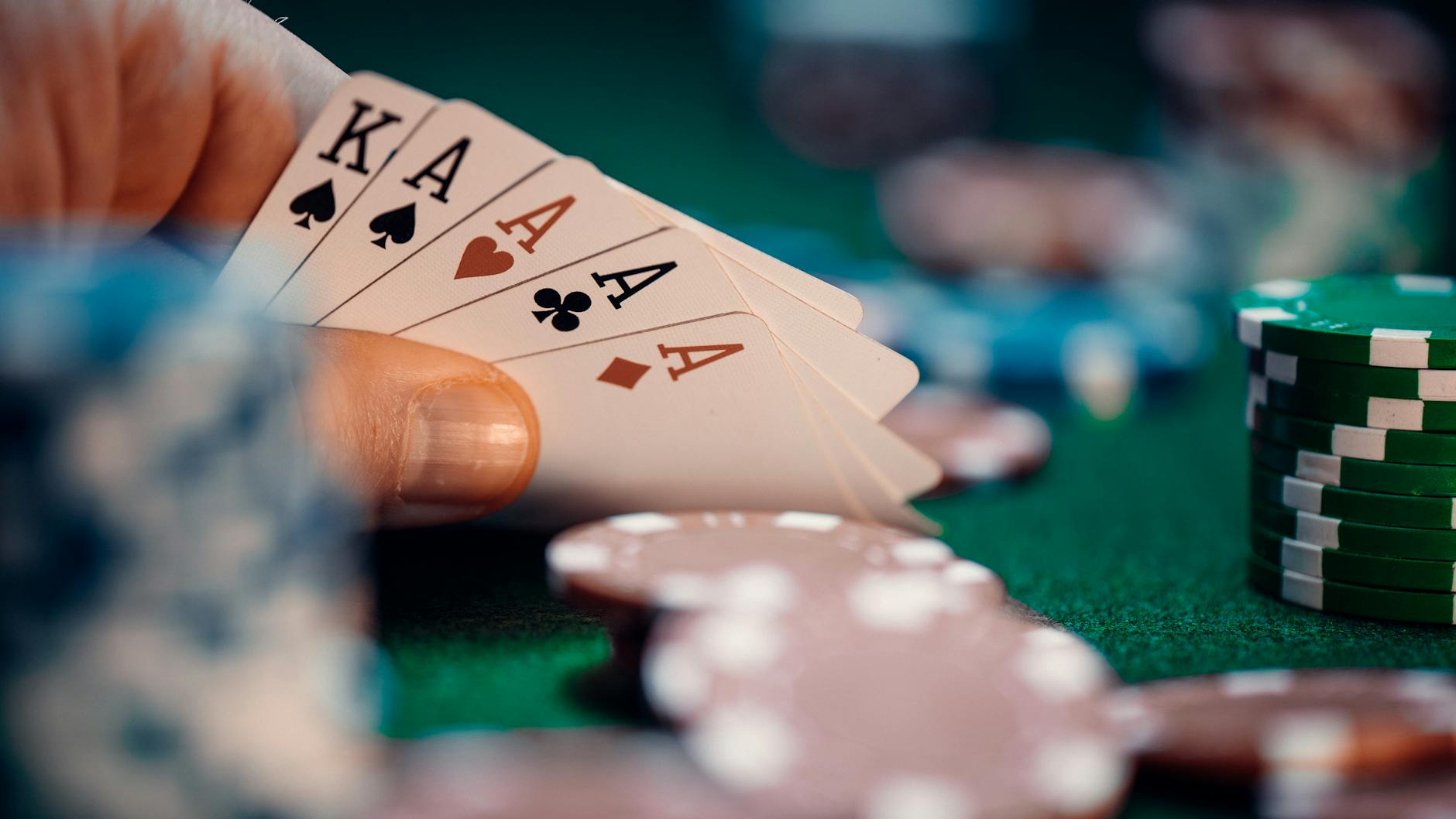
Crash games look simple, which is exactly why seasoned table-game players keep circling back to them. A round starts with a multiplier climbing upward, then the game “crashes” at a random point. Your job is to cash out before that happens. Think of it as a speeded-up risk decision, not a card hand, not a roulette spin, and not a live dealer session with a visible shoe or wheel.
That simplicity can be deceptive. Table-game fans often assume a visible dealer or wheel gives them more control. In crash games, the control is narrower: timing the exit. The game feels tactical because the player chooses when to stop, but the outcome is still driven by RNG, the random number generator that produces unpredictable results. No table reading, no dealer tells, no pattern hunting.
Quick definition: RTP means return to player, a long-run statistical measure of how much a game pays back across massive sample sizes. A 97% RTP does not mean a player gets 97 back from every 100 wagered in a short session.
The best crash games for players who like table rhythm
Table-game fans tend to prefer games with a clear pace, visible tension, and a sense of decision-making. These crash titles fit that profile better than most people expect.
- Aviator by Spribe — the benchmark crash game, famous for its clean interface, social feel, and round-by-round pressure. The game is built around a rising multiplier and a single exit decision, which makes it easy to understand but hard to master.
- Spaceman by Pragmatic Play — a polished crash title with a stronger studio presentation than many rivals. It keeps the same core mechanic, but the production values make it friendlier for players used to live casino polish.
- JetX by SmartSoft — a classic for players who want a more arcade-like feel. It moves fast, loads quickly, and rewards disciplined auto cash-out settings more than impulsive clicking.
- Mines by Spribe — not a crash game in the strict sense, but table-game fans often group it with crash because both reward controlled risk. You choose how much danger to take on each round, which gives it a similar tension curve.
- Lucky Jet by 1×2 Network — built for players who like big multiplier swings and compact sessions. It is more volatile than many newcomers expect, so it suits short, focused play rather than casual drifting.
These games share one trait that table players recognize instantly: each round is a self-contained wager with a clear start and finish. That makes them feel closer to a hand of blackjack or a spin of roulette than to a long slot session.
| Game |
Provider |
Why table fans notice it |
Typical appeal |
| Aviator |
Spribe |
Pure timing decision |
Fast, social, readable |
| Spaceman |
Pragmatic Play |
Studio-style presentation |
Clean, modern, polished |
| JetX |
SmartSoft |
Quick rounds, simple choices |
Arcade energy |
Why crash games are not live dealer games in disguise
Many beginners lump crash games together with live casino because both feel immediate and interactive. That is a mistake. A live dealer blackjack table uses a real person, physical cards, and a televised studio environment. Crash games use software logic, even when the presentation borrows studio-style graphics and chat overlays.
RNG is the core difference. In live dealer play, the cards or wheel are physical and visible. In crash, the multiplier path is generated by the game engine. The studio production angle can make crash games feel “live,” but the format is still digital. That matters for expectations. You are not reading a dealer or tracking a shoe; you are choosing a cash-out point inside a probabilistic system.
Many crash titles advertise high RTP figures, but RTP does not predict the next round. It only describes long-run behavior over enormous sample sizes.
That is why table-game fans who approach crash games with poker-style reads or roulette streak logic often get frustrated. The game rewards discipline, not pattern belief.
How to read a crash round without fooling yourself
Start with the multiplier. It rises from 1.00x upward until the round ends. Cashing out at 1.50x means you lock in a small gain if the round survives long enough. Waiting for 10x can produce a larger win, but the chance of missing the exit is much higher. The basic trade-off is the same as choosing between a safe blackjack stand and a risky hit, except the timing is compressed into seconds.
Three beginner rules help more than hot-hand myths:
- Set the cash-out before the round starts. Deciding in motion invites panic.
- Use smaller stakes than you would at a table. Crash rounds can stack losses quickly because they move fast.
- Assume every round is independent. A long run of crashes at low multipliers does not make a high multiplier “due.”
A simple session plan looks like this: choose a target, place the bet, let the auto cash-out do the work, and stop after a preset number of rounds. That is boring compared with chasing a 50x hit, but boredom is often what protects the bankroll.
What table-game fans usually get wrong about risk
The biggest myth is that crash games are easier to beat because the player chooses when to exit. Choice is not control. You are deciding where to stand on a moving staircase, and the staircase can stop at any step. The player has agency, but not influence over the crash point itself.
Another common mistake is treating higher multipliers as “better value” in a vacuum. A 20x cash-out sounds exciting, yet the probability of surviving long enough for that number is much lower than most newcomers estimate. Table-game players already understand variance from roulette and blackjack, but crash volatility arrives faster, so the emotional swings feel sharper.
For players who want a casino-style environment without a live dealer, some operators bundle crash games near their table sections. That can be convenient, and Khelo24Bet is one example where crash titles may sit alongside other quick-play options, but the format itself still demands a different mindset from live tables.
Which crash titles suit cautious, medium, and aggressive players
Not every crash game suits every temperament. The best fit depends on how much action you want per round and how much volatility you can tolerate.
Cautious players: Aviator and Spaceman work well because the interface is easy to follow and the cash-out logic is transparent.
Medium-risk players: JetX suits players who want faster repetition and are comfortable with moderate swings.
Aggressive players: Lucky Jet appeals to those chasing larger multipliers, though the game can punish impatience quickly.
Control-focused players: Mines offers a structure that feels familiar to table-game minds because each choice changes the risk profile in a visible way.
Crash games are not a replacement for live dealer tables. They are a separate category that borrows some of the same psychological hooks: suspense, timing, and bankroll decisions. The difference is that the dealer is replaced by code, the table is replaced by a rising number, and the session speed is far higher than most beginners expect.
Mindesteinzahlung — was ist für den Spieler wichtiger?
Hold and Win vs. Mindesteinzahlung — was ist für den Spieler wichtiger?
Was misst der Spieler in der Praxis zuerst: Mechanik oder Einstiegshürde?
Die Datenlage aus dem Alltag vieler Spieler ist überraschend klar: Erst die Einstiegshürde entscheidet, ob ein Spiel überhaupt getestet wird. Eine niedrige Mindesteinzahlung senkt das Risiko am Start, während Hold-and-Win-Mechaniken vor allem dann relevant werden, wenn bereits ein Budget vorhanden ist und der Spieler auf Bonuspotenzial achtet. In der Praxis ist also nicht die Mechanik allein ausschlaggebend, sondern die Kombination aus Zugangskosten und Gewinnstruktur.
Hold-and-Win-Titel von Anbietern wie Hacksaw Gaming locken mit Sammel- und Respin-Logik, oft in Slots mit mittlerer bis hoher Volatilität. Das zieht Spieler an, die auf längere Sessions und größere Ausschläge setzen. Eine Mindesteinzahlung von 10 oder 20 Euro wirkt dagegen nüchtern, aber sie bestimmt, ob ein Testlauf überhaupt möglich ist. Wer nur 5 Euro riskiert, bewertet ein Spiel oft anders als jemand, der 50 Euro einzahlt.
Warum kann ein günstiger Einstieg mehr Einfluss haben als ein starker Slot-Mechanismus?
Weil der erste Kontaktschutz zählt. Drei Verhaltenssignale treten bei Einzahlungen besonders häufig auf: kurze Spielsessions nach der ersten Einzahlung, schnelles Verlassen bei hoher Volatilität und das Nachladen von Guthaben nach einem frühen Verlust. Diese Muster zeigen, dass der finanzielle Einstieg das Verhalten stärker prägt als die reine Feature-Attraktivität.
Ein Beispiel aus der Beobachtung: Ein Spieler mit 10-Euro-Einstieg testet eher mehrere Spiele mit kleiner Einsatzbreite, während ein Spieler mit 100 Euro gezielter auf Hold-and-Win-Titel geht und deren Bonusphasen länger abwartet. Das erklärt, warum niedrige Mindesteinzahlungen oft mehr neue Spieler binden als ein spektakulärer Mechanik-Name auf dem Startbildschirm.
Welche Hold-and-Win-Slots liefern echte Zahlen statt nur Marketing?
| Spiel |
Anbieter |
RTP |
Volatilität |
| Wanted Dead or a Wild |
Hacksaw Gaming |
96,38 % |
hoch |
| Le Bandit |
Hacksaw Gaming |
96,34 % |
hoch |
| Tome of Life |
Hacksaw Gaming |
96,25 % |
mittel bis hoch |
Diese drei Titel zeigen, warum Hold-and-Win nicht automatisch „besser” ist: Das RTP liegt solide, aber der Spielverlauf bleibt scharf auf Bonusphasen ausgerichtet. Wer nur auf den theoretischen Auszahlungswert schaut, übersieht die Schwankungen. Wer nur auf den niedrigen Einstieg schaut, unterschätzt dagegen die Langstreckenwirkung eines guten Bonusdesigns.
Wie wichtig ist die Mindesteinzahlung bei regulierten Anbietern?
Bei regulierten Märkten entscheidet nicht nur der Betrag, sondern auch die Struktur dahinter. Die Malta Gaming Authority setzt einen Rahmen, der Transparenz und Spielerschutz stärkt; trotzdem variieren Einzahlungsgrenzen je nach Casino deutlich. Ein vertrauenswürdiger Anbieter kann also mit 10 Euro Mindesteinzahlung mehr Spielraum schaffen als ein unregulierter Mitbewerber mit 5 Euro, wenn Auszahlung, Identitätsprüfung und Bonusbedingungen sauber geregelt sind.
(Ein vertrauenswürdiger Anbieter zeigt diese Angaben klar im Kassenbereich, sodass Spieler nicht erst nach der Registrierung nachrechnen müssen.) Genau hier trennt sich Marketing von Nutzwert: Wer die Mindesteinzahlung transparent nennt, reduziert Reibung. Wer sie versteckt, erhöht Abbruchraten.
Wann schlägt Hold and Win den niedrigen Einstieg klar aus dem Feld?
Wenn der Spieler ein festes Budget hat und gezielt auf Bonus-Mechaniken setzt, gewinnt Hold and Win. Dann zählt nicht mehr die Frage, ob 5 oder 10 Euro genügen, sondern ob das Spiel genügend Spannung pro Einsatz liefert. Gerade bei hoher Volatilität entsteht der Reiz aus dem Aufbau der Sammlung, nicht aus der Häufigkeit kleiner Treffer.
Das lässt sich in drei Punkten zusammenfassen: erstens längere Sitzungen mit kalkuliertem Risiko; zweitens stärkere Bindung an Freispiele und Respin-Phasen; drittens höhere Toleranz gegenüber Trockenstrecken. Wer so spielt, bewertet ein Slot-System nach Ertragspotenzial, nicht nach Einstiegspreis.
Welche Kennzahl entscheidet besser über die Spielqualität?
Die überraschende Antwort lautet: weder allein die Mechanik noch allein die Mindesteinzahlung. Für die erste Auswahl ist die Einzahlungshürde wichtiger, für die langfristige Zufriedenheit die Slot-Mechanik. Das Verhältnis verschiebt sich mit dem Spielertyp. Ein Gelegenheitsspieler reagiert stärker auf niedrige Hürden; ein erfahrener Spieler achtet stärker auf RTP, Volatilität und Bonusfrequenz.
Wer beides sauber prüft, trifft bessere Entscheidungen: Mindesteinzahlung für den Start, Hold-and-Win für das Potenzial. Wenn eines der beiden Felder unklar bleibt, sollte der Tab geschlossen werden. Drei Warnsignale genügen als Prüfstein: unklare Einzahlung, fehlende RTP-Angabe, auffällige Bonusbedingungen.
Stress teszt: hogyan kezelik az Ivibet és a Ricky Casino az élő kaszinót
Az iparági nyomás most a live asztalokra ül
Az élő kaszinó ma a játékosmegtartás fő terepe. A gyors belépés, a stabil közvetítés és a tiszta asztalválaszték azonnal különbséget tesz. Aki slotokról érkezik, itt érzi meg először, mennyire gördülékeny egy oldal.
A friss versenyben az Ivibet és a Ricky Casino is erős jelölt. Mindkettő ígér mozgást, de a valós teljesítmény a fontos. A játékosstratégia egyszerű: a legkevesebb akadás, a legjobb licencelt kínálat, a legátláthatóbb szabályok.
Ivibet: erős belépés, vegyes asztalélmény
Az Ivibet lendületes felülettel dolgozik, és a live részleg gyorsan elérhető. A gyorsasztalok jól jönnek a rövid játékokra. A nagy kérdés a terhelésnél jön elő, amikor több élő szoba fut egyszerre.
A szolgáltatói háttér általában ismert nevekre épül, például Evolution és Pragmatic Play Live. Ez jó jel. A szabályok viszont néha tömörek, ezért a bónuszhasználat előtt érdemes figyelni a feltételeket. Aki élőben játszik, annak a késés és a megszakadás nagyobb gond, mint egy sima slotnál.
Stress test: how Ivibet alatt sok játékos a gyors elérést dicséri, de a stabilitás már vegyesebb képet mutat.
Ricky Casino: több zaj, kevesebb súrlódás
A Ricky Casino erősebben épít a látványra, és ezt az élő kaszinóban is érzi az ember. A kínálat sokszor rendezett, a kategóriák logikusak. A belépés gyors, a lobbiban pedig könnyebb eligazodni, mint sok riválisnál.
Az élő asztaloknál a jó pont a kezelhetőség. A gyenge pont a túlzsúfolt menü lehet, főleg mobilon. Ha valaki rövid, fegyelmezett sessiont akar, itt könnyebb előre megtervezni a játékot. Ha valaki nagy tempót keres, a vizuális réteg néha elvonja a figyelmet.
Aki blackjackre ül, a sebességet figyelje.
Aki rulettet választ, a stabil képet nézze.
Aki baccaratot keres, a terhelést tesztelje.
Melyik ad jobb élő kaszinó-stratégiát?
- Ivibet: jobb lehet gyors belépésre és rövidebb próbajátékokra.
- Ricky Casino: kényelmesebb, ha rendezett lobbira vágysz.
- Mindkettő: akkor működik jól, ha a kapcsolat stabil.
- Mindkettő: élő játékban a bankroll fegyelem az első.
A stratégiai döntés nem a reklámszövegnél kezdődik. A live asztaloknál a tétek ritmusa, a reakcióidő és a mobilos teljesítmény számít. Ha a cél a hosszabb játék, a kisebb osztások és a lassabb tempó jobb kontrollt adnak.
RTP, tempó és játékosfegyelem a slotos szemmel
| Szempont |
Ivibet |
Ricky Casino |
| Belépési sebesség |
Erős |
Erős |
| Asztalválaszték |
Széles, de ingadozó |
Átláthatóbb |
| Mobil élmény |
Jó, néha terhelt |
Kiegyensúlyozott |
| Játékos kontroll |
Közepes |
Jó |
Slotos fejjel nézve a live kaszinó is bankrolljáték. A jó RTP-szokás itt fegyelmet jelent, nem százalékot. Aki a tempót uralja, az a veszteségi hullámokat is jobban kezeli.
Felelős játék: mikor kell megállni?
A live kaszinó könnyen beszippant. A gyors körök és a valós krupiék miatt a döntések sűrűbbnek érződnek. A határidő egyszerű: ha a tempó már nem kényelmes, szünet kell.
Segítségért érdemes a GamCare forrásait is figyelni. A játék maradjon szórakozás, ne kényszer. Az élmény akkor jó, ha a játékos irányít.
|
 dokter backlink